10 DIY Garden Projects That Add Instant Charm
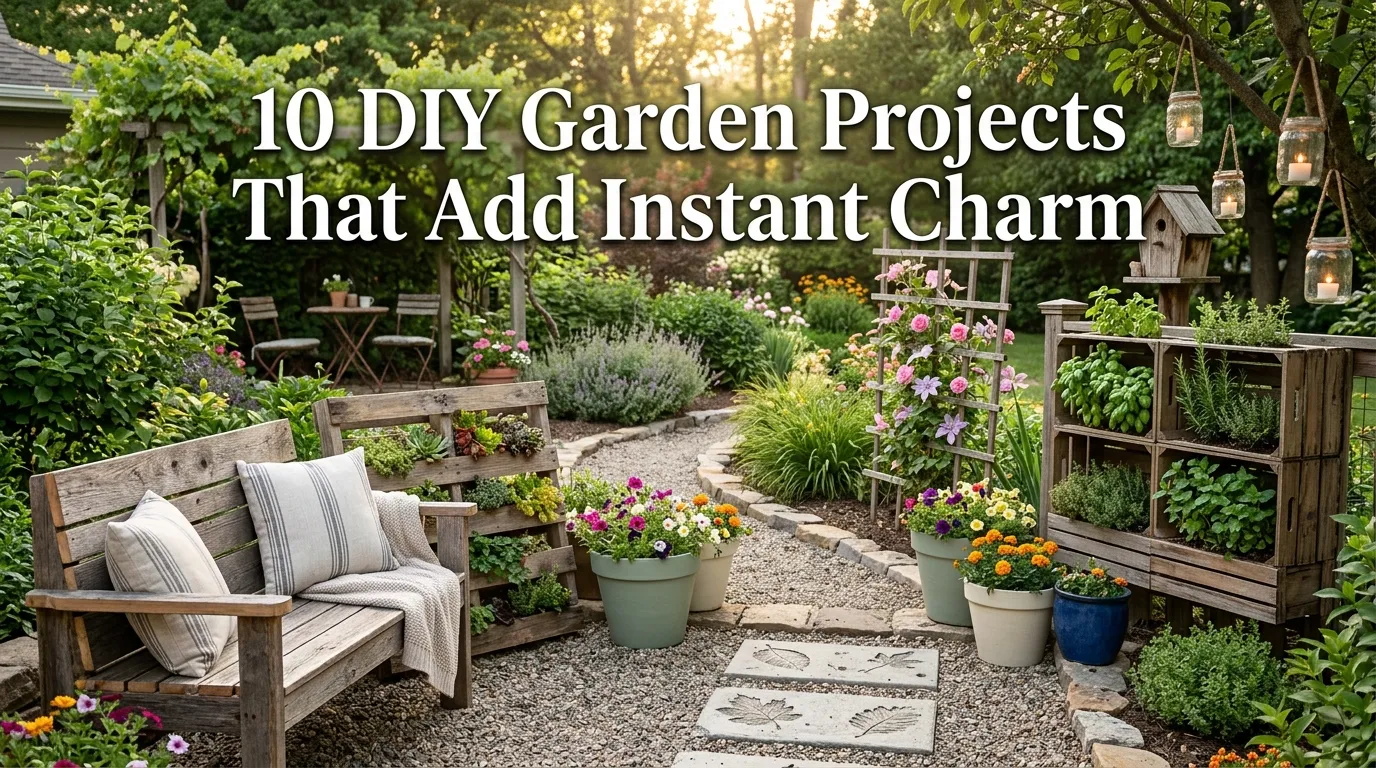
A beautiful garden doesn’t have to come from an expensive landscaping project. Some of the most charming outdoor spaces are created with simple DIY projects that add personality, function, and visual interest without requiring a huge budget.
The best garden projects often combine practical improvements with decorative details. A handmade trellis can support climbing plants while becoming a focal point. A simple pathway can make the garden easier to navigate while giving the landscape a more finished appearance. Even a few painted planters or a cozy seating area can completely change how an outdoor space feels.
In my experience, the key is choosing projects that complement the garden you already have rather than trying to transform everything at once. Natural wood, stone, terracotta, weather-resistant finishes, and greenery tend to work beautifully together.
You also don’t need advanced woodworking or construction skills for many of these ideas. Several can be completed with basic tools, inexpensive materials, and a little creativity.
Whether you have a spacious backyard, a small suburban garden, or a compact outdoor corner, these DIY garden projects can help you create a space that feels more inviting and thoughtfully designed.
Table of Contents
- Build a Simple Garden Trellis
- Create Painted Planters
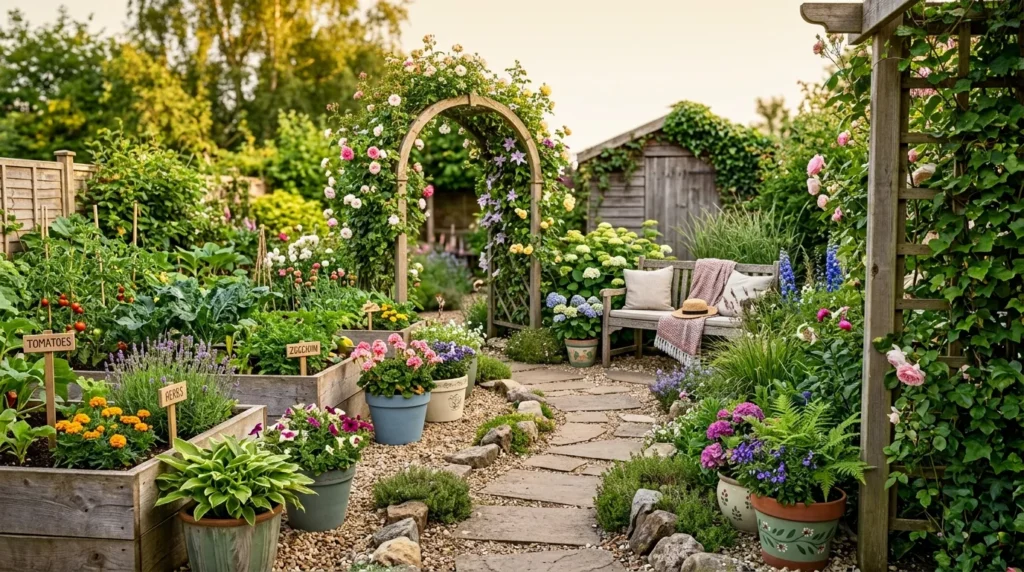
- Make a Stone Garden Path
- Build a Rustic Garden Bench
- Create a DIY Herb Garden
- Add a Garden Arch
- Make a Vertical Planter
- Create a Decorative Garden Sign
- Build a Simple Raised Bed
- Add a Cozy Garden Seating Area
1. Build a Simple Garden Trellis
Quick Benefits
- Supports climbing plants
- Adds vertical interest
- Creates a focal point
- Uses unused wall space
- Adds garden structure
Why It Works
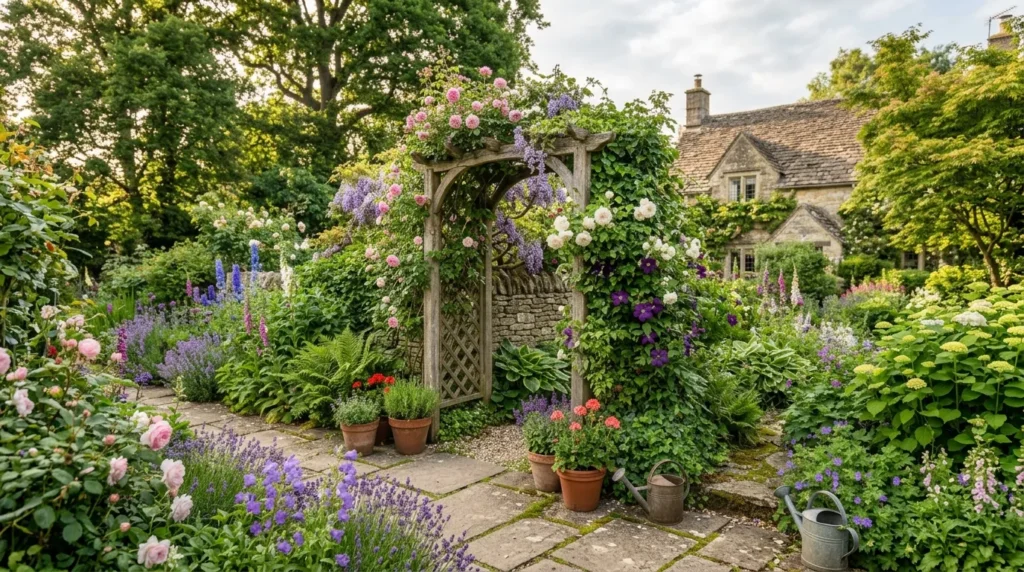
A trellis is one of the easiest ways to introduce height and structure into a garden. Climbing flowers, vines, and edible plants can use the framework while creating a lush backdrop.
Wooden trellises also bring natural texture that works beautifully with greenery. Even a basic design can look intentional when its proportions and placement complement the surrounding plants.
I’ve found that placing a trellis behind a flower bed or near a seating area creates an especially attractive focal point.
How To Style It
Use weather-resistant wood and choose a simple geometric design. Position the trellis where climbing plants can receive appropriate sunlight and have enough room to grow.
Train vines gently through the structure as they develop.
2. Create Painted Planters
Quick Benefits
- Adds color
- Refreshes old containers
- Personalizes the garden
- Costs little
- Easy weekend project
Why It Works
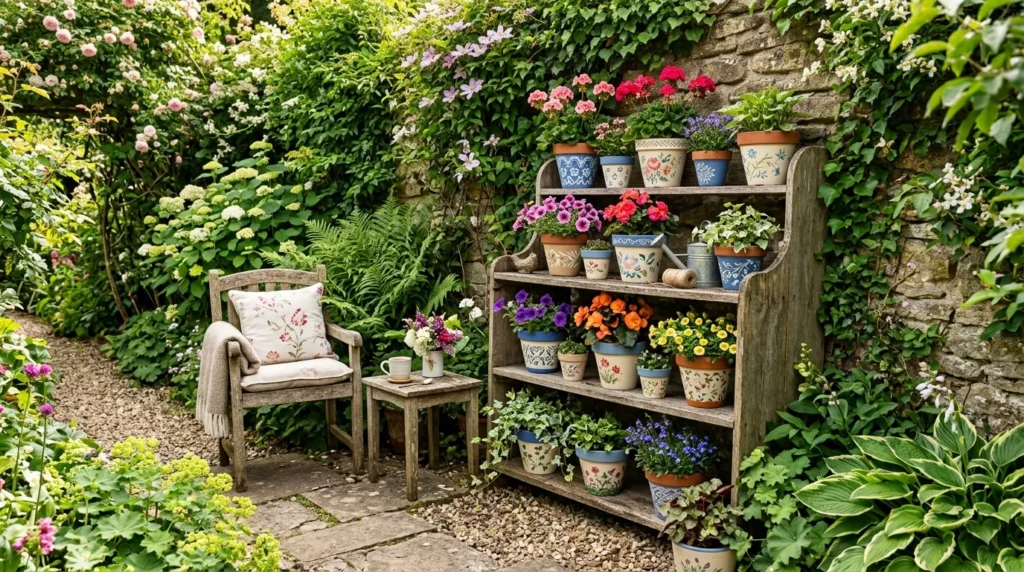
Old or inexpensive planters can become decorative features with a simple coat of outdoor-rated paint. This is an easy way to introduce a controlled accent color without changing permanent garden elements.
Neutral colors can create a sophisticated look, while muted greens, blues, or terracotta-inspired shades can complement surrounding plants.
I’ve found that painting several planters in related shades creates more visual cohesion than using many unrelated colors.
How To Style It
Clean the containers thoroughly and use paint designed for outdoor surfaces. Choose colors that complement your home’s exterior and existing garden materials.
Group different planter sizes together for a layered arrangement.
3. Make a Stone Garden Path
Quick Benefits
- Improves accessibility
- Defines garden areas
- Adds texture
- Creates structure
- Enhances curb appeal
Why It Works
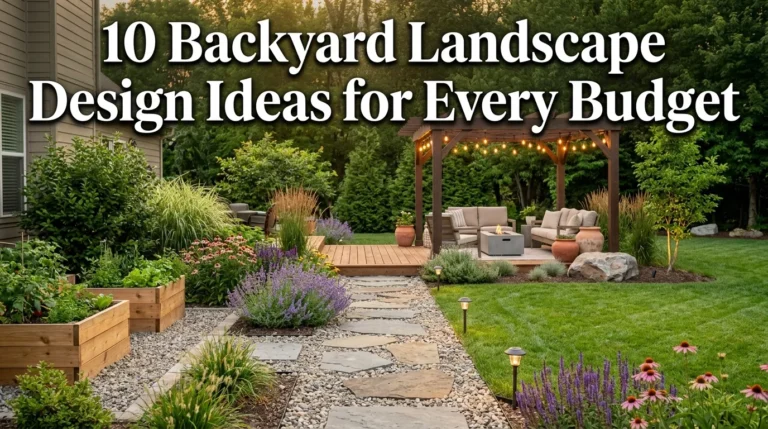
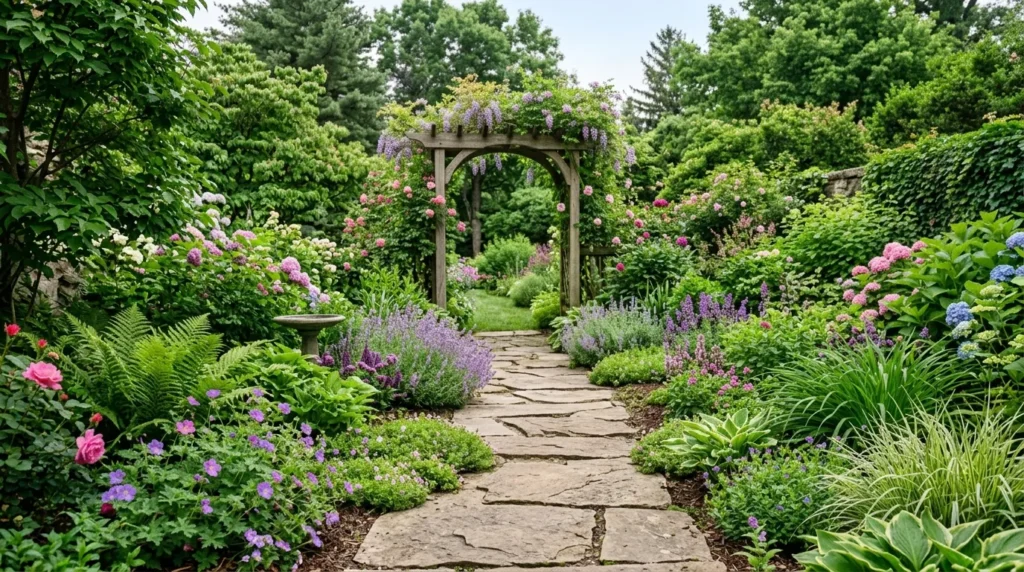
A garden path can make an outdoor space feel more established and thoughtfully planned. It guides movement while visually connecting different parts of the garden.
Natural stone, gravel, stepping stones, or pavers can all create attractive pathways depending on the style of your landscape.
I’ve found that slightly irregular natural materials often create a more relaxed garden appearance.
How To Style It
Plan the route before placing materials. Keep the path wide enough for comfortable walking and choose materials that complement your home’s exterior.
Surround the edges with low-growing plants or mulch for a finished appearance.
4. Build a Rustic Garden Bench
Quick Benefits
- Adds seating
- Creates a focal point
- Encourages relaxation
- Uses natural materials
- Makes the garden functional
Why It Works
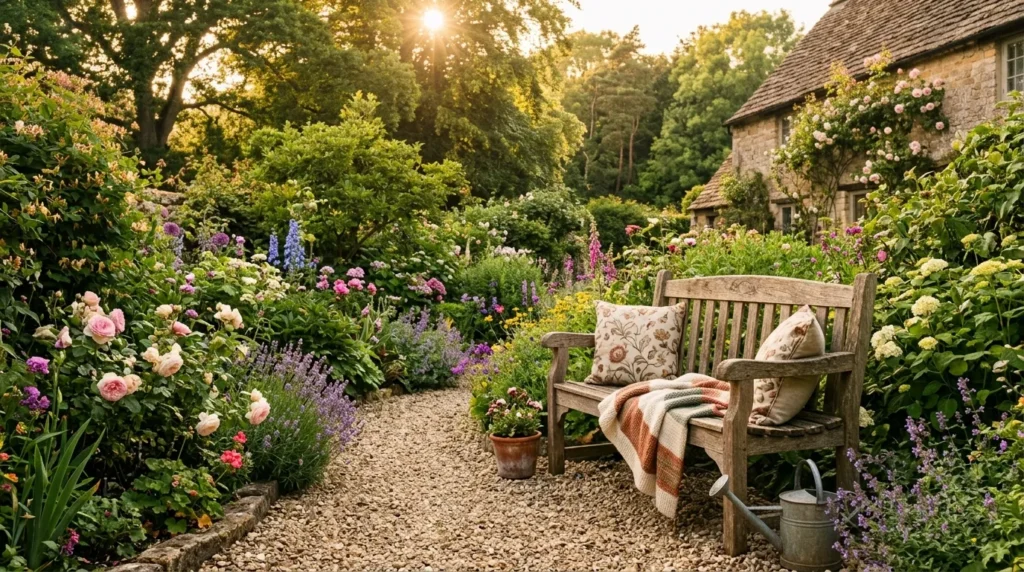
A garden bench gives an outdoor space a purpose beyond simply looking beautiful. It creates a place to sit, read, enjoy plants, or have a quiet morning outdoors.
Simple wooden benches can blend naturally into gardens and become even more attractive as the surrounding plants mature.
I’ve found that positioning a bench where it overlooks flowers or greenery makes the entire area feel more intentional.
How To Style It
Choose weather-resistant lumber and a straightforward design. Place the bench beneath a tree, beside a flower bed, or at the end of a garden path.
Add a weather-resistant cushion if desired, but keep the surrounding area relatively simple.
5. Create a DIY Herb Garden
Quick Benefits
- Adds useful greenery
- Saves garden space
- Provides fresh herbs
- Creates visual interest
- Easy to maintain
Why It Works
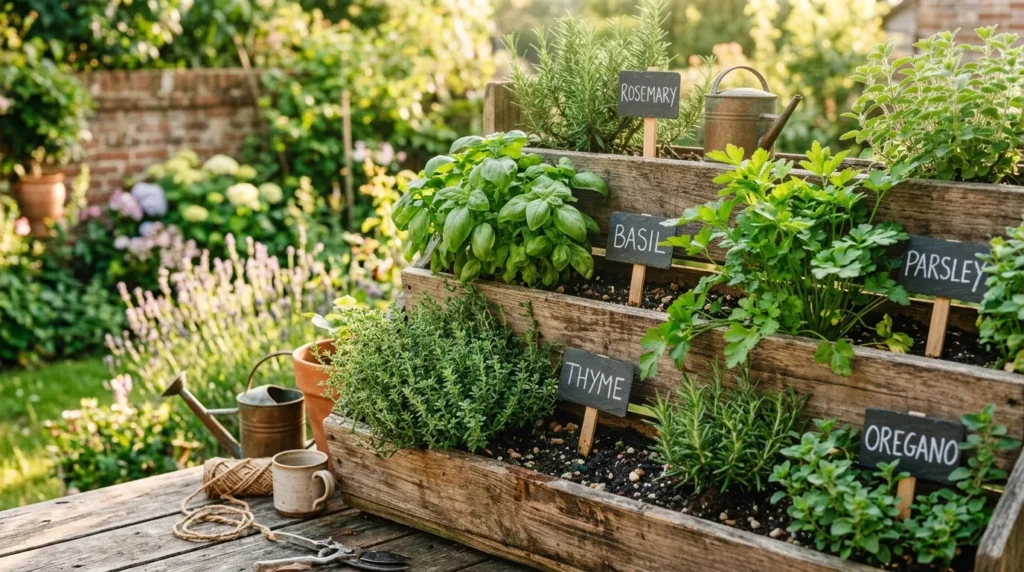
A small herb garden combines beauty and function. Herbs such as basil, thyme, rosemary, mint, and parsley can add fragrance and greenery while providing ingredients for everyday cooking.
You don’t need a large garden bed. Containers, raised planters, wooden boxes, or vertical systems can work well.
I’ve found that placing herbs close to the kitchen or outdoor entertaining area makes them much more convenient to use.
How To Style It
Group herbs in matching or coordinated containers. Add small weather-resistant labels to identify each plant.
Choose a sunny location appropriate for the specific herbs you’re growing and provide suitable drainage.
6. Add a Garden Arch
Quick Benefits
- Adds height
- Creates a focal point
- Defines entrances
- Supports climbing plants
- Gives the garden structure
Why It Works
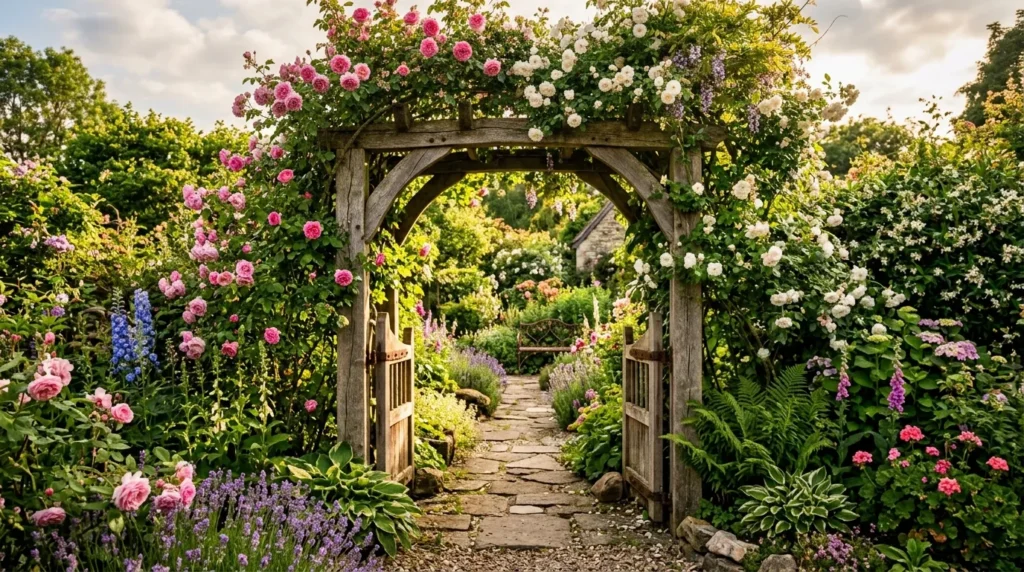
A garden arch can make an ordinary planting area feel more intentional and established. It naturally draws the eye upward while creating a visual transition between different garden zones.
Once climbing roses, clematis, jasmine, or other suitable vines grow across the structure, the arch can become one of the most charming features in the landscape.
I’ve found that an arch works particularly well at the entrance to a backyard garden or along a pathway.
How To Style It
Choose a weather-resistant wood or metal structure that complements your home’s exterior. Position it where it naturally frames a view or creates a transition.
Train climbing plants around the sides and top as they grow, leaving enough room for the walkway below.
7. Make a Vertical Planter
Quick Benefits
- Saves ground space
- Adds height
- Works in small gardens
- Displays plants beautifully
- Creates a living wall effect
Why It Works
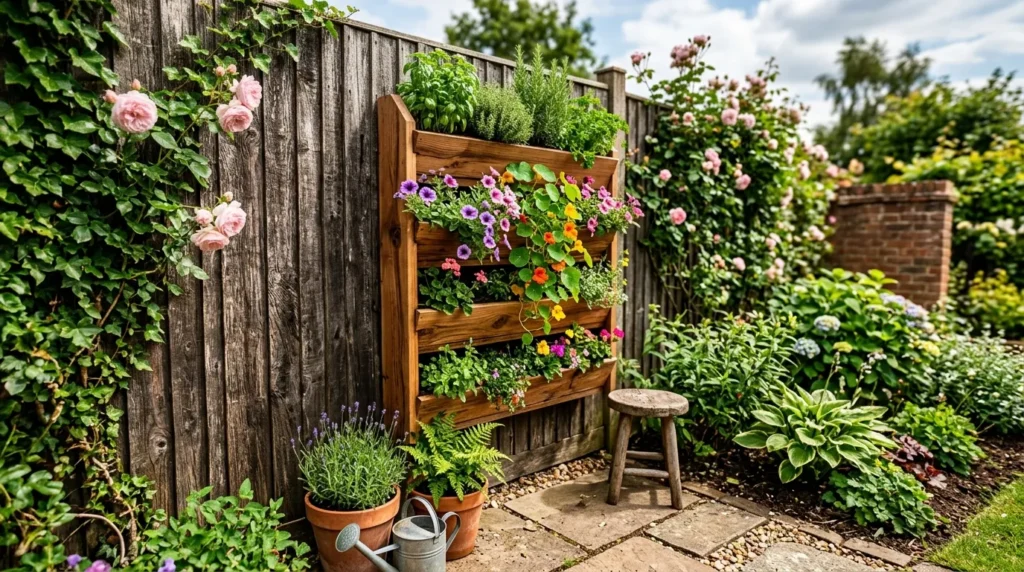
Vertical planters allow you to grow flowers, herbs, and greenery without using much ground space. They’re particularly useful for patios, balconies, narrow side yards, and compact gardens.
A simple wooden ladder, wall-mounted planter, or tiered structure can become an attractive feature while providing additional planting capacity.
I’ve found that vertical arrangements are also useful for filling blank walls or unattractive fences.
How To Style It
Choose containers with adequate drainage and attach them securely to the structure. Combine plants with different heights and textures for a fuller appearance.
Keep heavier containers lower and use lighter planters toward the top.
8. Create a Decorative Garden Sign
Quick Benefits
- Adds personality
- Creates a focal point
- Uses inexpensive materials
- Easy to customize
- Complements garden themes
Why It Works
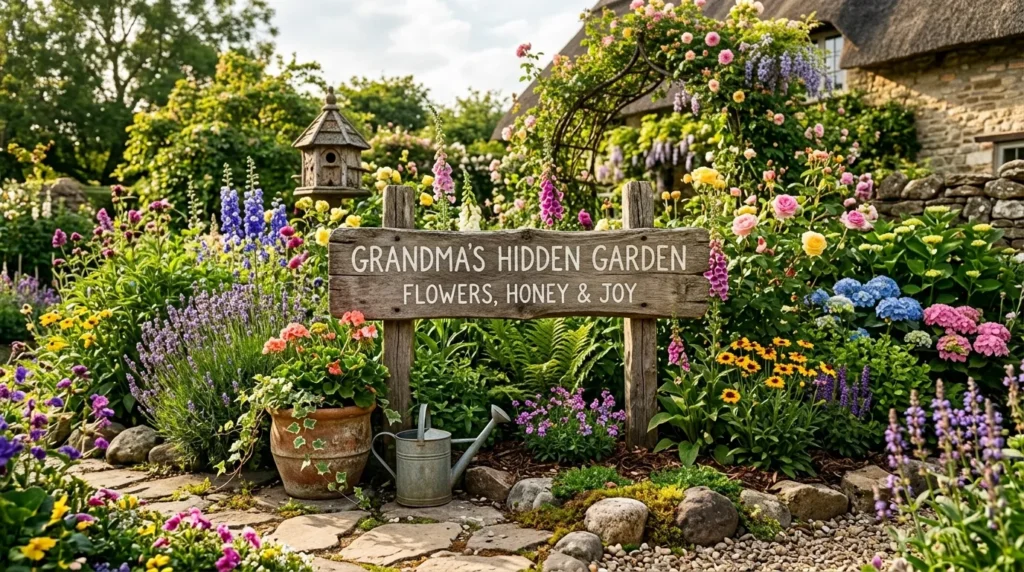
A handmade garden sign can add a personal touch that store-bought decorations often lack. It can identify an herb garden, welcome guests, mark a pathway, or simply introduce a charming phrase.
Natural wood works particularly well because it blends naturally with plants and outdoor textures.
I’ve found that simple signs usually look more sophisticated than overly decorated ones.
How To Style It
Use a weather-resistant wooden board and outdoor paint or lettering. Keep the message short and choose typography that complements your garden style.
Mount the sign securely or place it on a sturdy post near a pathway or planting bed.
9. Build a Simple Raised Bed
Quick Benefits
- Defines planting areas
- Improves organization
- Adds structure
- Makes gardening accessible
- Creates a finished look
Why It Works
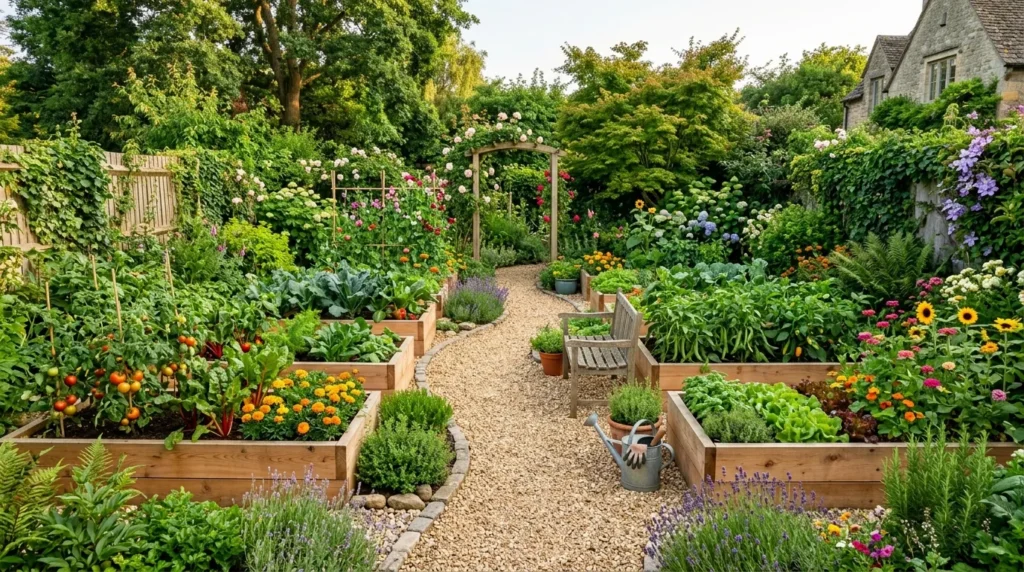
Raised garden beds give planting areas clear boundaries and can make a backyard garden look more organized. They are especially useful for vegetables, herbs, and seasonal flowers.
The defined edges also create visual structure between planting areas and pathways.
I’ve found that simple rectangular beds tend to look particularly polished when arranged in repeating shapes.
How To Style It
Use untreated or appropriately garden-safe materials suitable for your intended plants. Position the bed where it receives the amount of sunlight required by what you plan to grow.
Keep pathways around the bed wide enough for comfortable access and maintenance.
10. Add a Cozy Garden Seating Area
Quick Benefits
- Creates an outdoor destination
- Encourages relaxation
- Adds functionality
- Makes the garden more inviting
- Supports entertaining
Why It Works
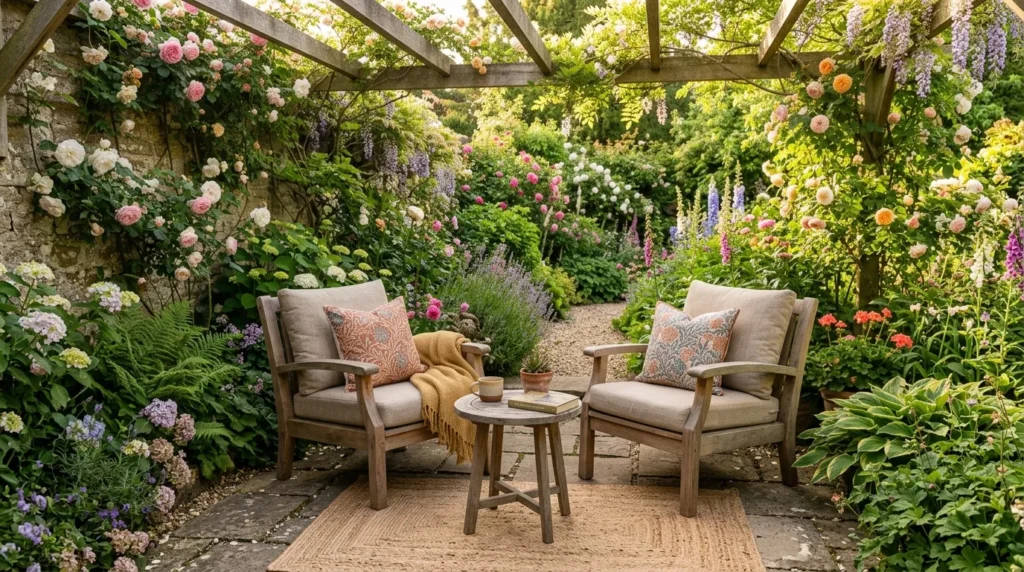
A garden becomes much more enjoyable when it includes a comfortable place to spend time. Even a small seating area can turn an unused corner into a destination for morning coffee, reading, or casual conversations.
You don’t need a large patio or elaborate furniture. A couple of chairs, a small table, and some surrounding greenery can be enough.
I’ve found that placing seating near plants or beneath partial shade creates the most inviting atmosphere.
How To Style It
Choose weather-resistant furniture and position it on a stable surface. Add outdoor cushions, a small side table, or a lantern for comfort and ambiance.
Surround the seating area with planters or low-maintenance greenery while keeping enough open space for easy movement.
Frequently Asked Questions
What are the easiest DIY garden projects for beginners?
Painted planters, decorative signs, simple herb gardens, vertical planters, and basic garden paths are approachable projects for beginners.
How can I make my garden look expensive on a budget?
Focus on repetition, natural materials, defined planting areas, coordinated planters, and simple focal points such as arches, benches, or pathways.
What materials work best for DIY garden projects?
Weather-resistant wood, stone, gravel, outdoor-rated paint, metal, and durable containers are useful choices depending on the project and local conditions.
How can I add charm to a small garden?
Use vertical planters, compact seating, hanging containers, a small trellis, and a clearly defined pathway to maximize visual interest without consuming much ground space.
Are DIY garden projects worth doing?
Yes. Small projects can improve both the appearance and functionality of a garden while allowing you to customize the space to your preferences.
How do I make DIY garden projects last longer?
Choose materials appropriate for outdoor exposure, use weather-resistant finishes where needed, provide proper drainage, and inspect structures periodically for wear.
Conclusion
DIY garden projects can completely change the personality of an outdoor space without requiring a major landscaping budget. A simple trellis, painted planter, stone pathway, garden bench, or handmade sign can add structure and charm while making the garden more enjoyable to use.
The most successful projects usually combine beauty with function. Choose additions that support plants, define spaces, provide seating, improve organization, or make everyday gardening easier.
Start with one small project and build from there. As each element comes together, your garden can gradually become a more inviting and personalized extension of your home.