What Size Rug Fits Under a Standard 84-Inch 3-Seater Sofa?
Choosing the right floor covering for your living area is a foundational design step that changes how the entire room functions. Many homeowners find that determining what size rug fits under a standard 84-inch 3-seater sofa is the most common hurdle when refreshing their decor. A rug that is too small makes the furniture look like it is floating, while one that is too large can overwhelm a small floor plan.
By understanding standard industry dimensions and the way furniture placement influences the visual flow, you can select an option that anchors your seating area perfectly. This breakdown provides the technical specifications needed to ensure your living room feels balanced and intentional.
The Standard Dimensions for 84-Inch Sofas
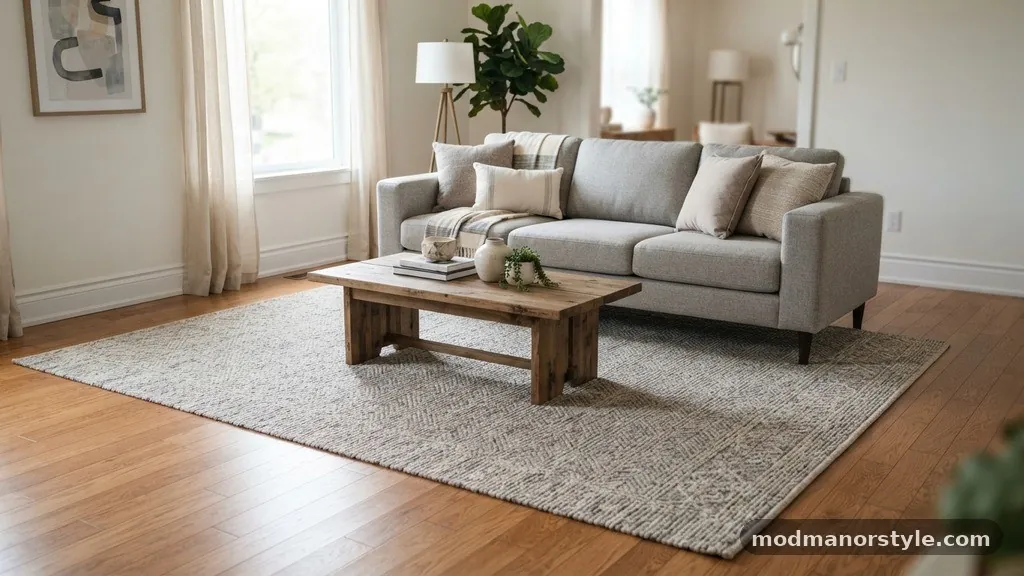
To determine the ideal rug size, you must first acknowledge the footprint of your primary piece of furniture. An 84-inch sofa is considered a classic 3-seater, typically measuring about 7 feet in total length. This size is a staple in residential design because it is large enough for three adults but fits comfortably in most standard-sized living rooms.
When you calculate the rug, you are not just covering the length of the sofa but also the area surrounding it where people place their feet. Most designers agree that the rug should extend at least 6 to 12 inches beyond the ends of the sofa to create a cohesive frame.
If you opt for a rug that matches the length of the sofa exactly, the room will likely feel cramped and disjointed. The goal is to create a “landing zone” that encompasses the sofa and any nearby accent chairs. For an 84-inch sofa, you are looking for a width that accommodates the depth of the piece plus the floor space in front of it.
While the sofa itself might be 36 to 40 inches deep, your rug needs to account for the coffee table and the walkway space. A rug that is too short creates a visual break that makes the room appear smaller than it actually is.
Why 8×10 is the Industry Standard
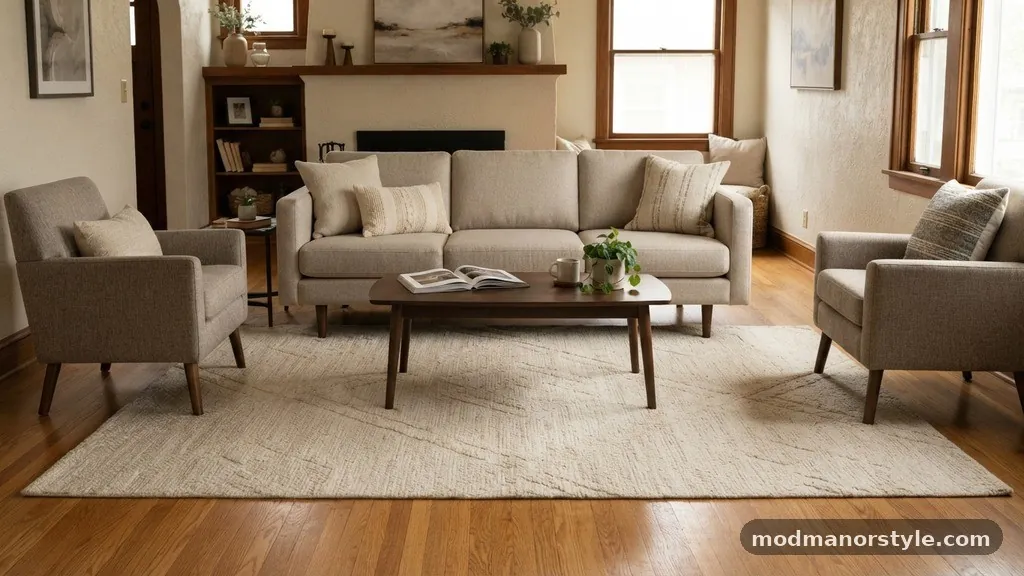
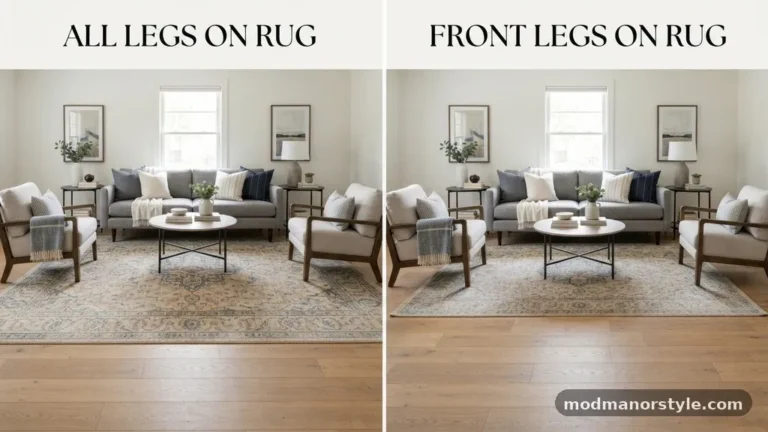
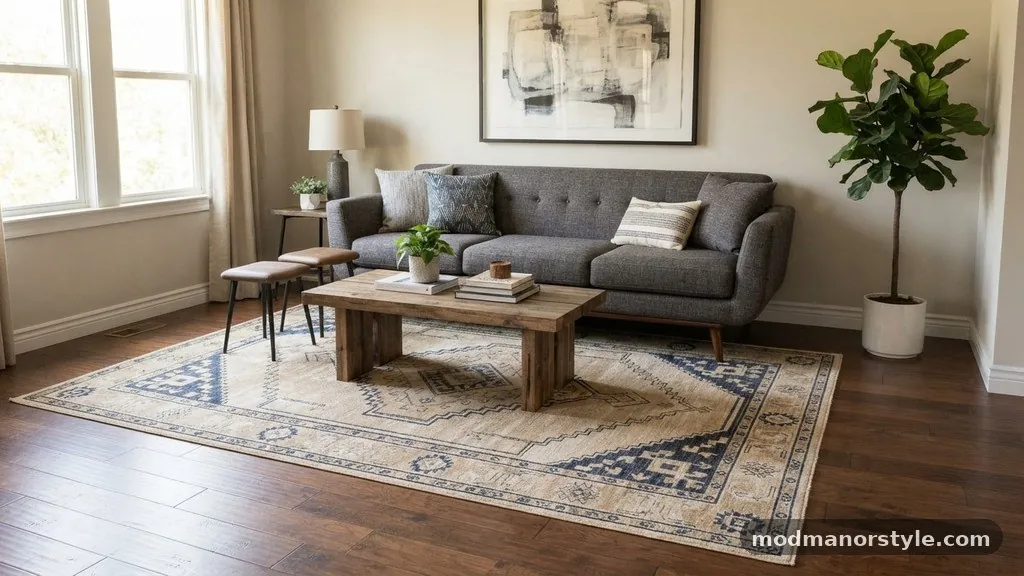
The most reliable answer to what size rug fits under a standard 84-inch 3-seater sofa is an 8×10 foot area rug. This size provides enough surface area to slide the front legs of the sofa onto the rug while leaving plenty of room for a coffee table and additional seating. When the front legs sit on the rug, it physically connects the furniture to the floor covering.
This creates a unified seating group rather than a collection of separate pieces sitting on a bare floor. An 8×10 rug offers 120 inches of length, which provides a generous 18-inch border on either side of your 84-inch sofa.
This extra perimeter is essential for visual balance. It allows the rug to act as a anchor, grounding the heavy mass of the upholstery. If you have a larger living room, an 8×10 rug might feel slightly modest, but it remains the safest bet for most standard apartment or suburban layouts.
It strikes the right balance between coverage and exposed flooring, which is important for maintaining the character of hardwood or tile floors. You can consult Architectural Digest’s design principles for more context on how these proportions impact spatial perception.
The Front-Legs-On Approach
The “front legs on” method is the most popular layout for interior designers working with 3-seater sofas. By placing only the front two legs of your sofa on the rug, you create a sense of cohesion without needing to cover the entire floor. This technique works exceptionally well in small to medium-sized rooms where you want to keep the rug budget manageable.
It also makes the room feel more spacious because you aren’t hiding all of your flooring. The rug acts as a visual frame that defines the boundary of the conversation area.
When using this method, ensure that the rug extends at least 6 inches beyond the sides of your 84-inch couch. If the rug is too narrow, the sofa will look like it is teetering on the edge of the fabric. You want the rug to feel substantial enough to support the weight of the furniture.
This layout also makes it easier to position a coffee table in the center of the rug. Because the front legs are anchored, the rug won’t shift or slide as easily when people sit down or get up from the couch.
When to Consider a 9×12 Rug
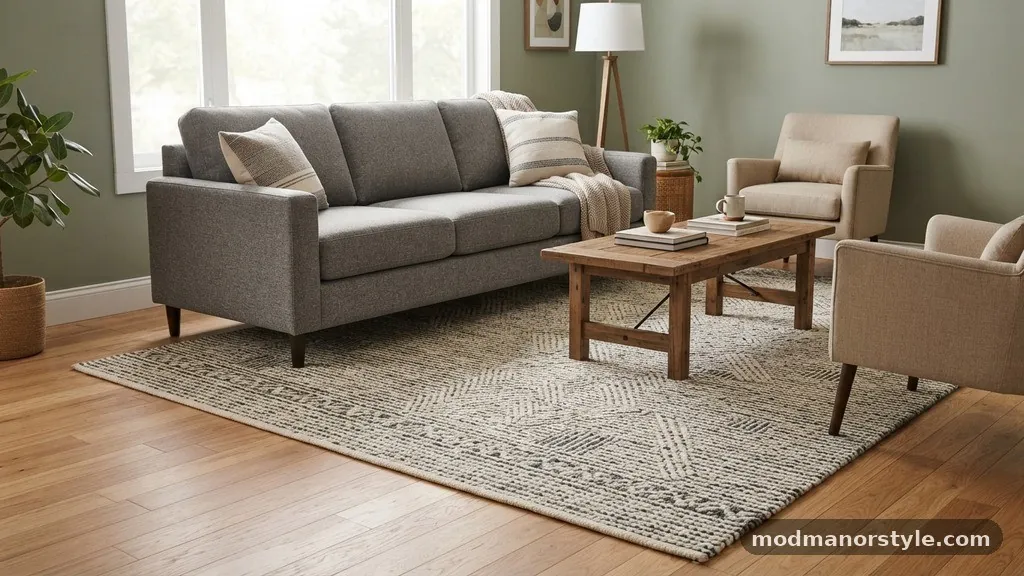
A 9×12 rug is a significant upgrade that completely changes the feel of a living room. If you have an open-concept floor plan or a particularly large living area, an 8×10 might look like a postage stamp. A 9×12 rug allows you to place all four legs of your 84-inch sofa onto the carpet.
This creates a luxurious, “floating island” effect that defines the seating area as a distinct zone within a larger room. It provides a much more generous border, which is ideal if you have a lot of floor space to fill.
Choosing a larger size is also a practical decision if you have heavy foot traffic. A 9×12 rug covers more of the floor, protecting high-traffic areas from wear and tear. It also helps with acoustics, as a larger surface area absorbs more sound in rooms with high ceilings or hard surfaces.
When you opt for this size, you can easily include the front legs of your accent chairs on the rug as well. This creates a fully integrated look that feels intentional and high-end.
Factors Influencing Your Rug Choice
Several variables beyond the sofa length will dictate the final choice of rug size. The dimensions of your coffee table are a major factor, as the rug must accommodate the table with enough room to walk around it. If your coffee table is large, a smaller rug will quickly become cluttered and difficult to navigate.
You should also consider the placement of other furniture, such as side tables, floor lamps, or bookshelves. If these items are close to the sofa, they may interfere with the edges of an oversized rug.
The shape of your living room also plays a role in your final decision. A square room might benefit from a square rug, whereas a rectangular room is almost always best served by a rectangular rug. If your room has an irregular layout, you might need to prioritize the sofa placement over the room’s symmetry.
Always measure the distance from the sofa to the walls or the next piece of furniture before committing to a size. It is better to have a slightly smaller rug that fits the space than a massive one that bunches up against the baseboards.
Comparing Common Rug Sizes
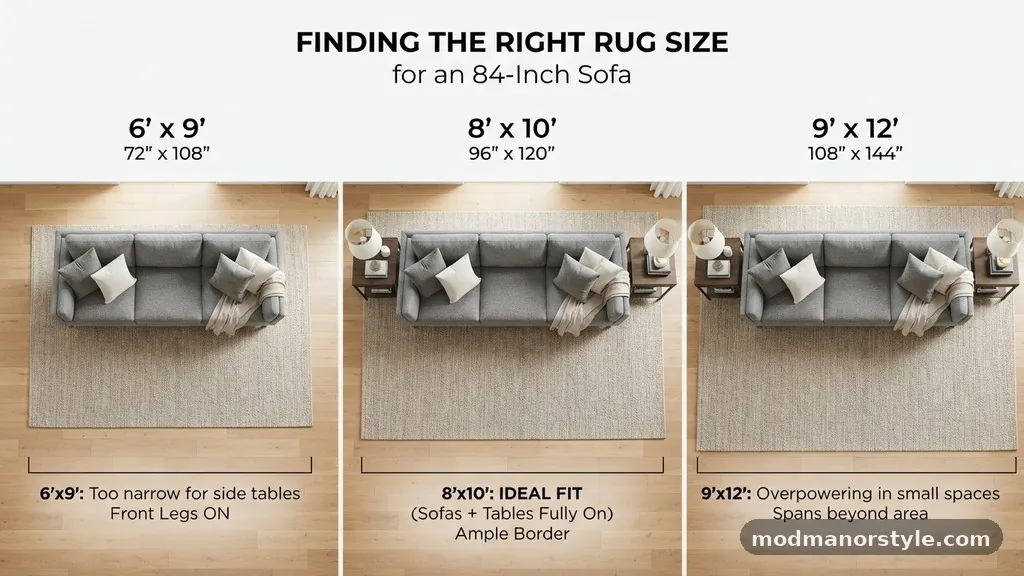
To help visualize your options, it is useful to see how different dimensions interact with an 84-inch sofa. The following table highlights the pros and cons of the most common rug sizes for this specific furniture piece.
| Rug Size | Coverage Level | Best Use Case |
|---|---|---|
| 5×8 | Minimal | Very small studios or accent areas. |
| 6×9 | Moderate | Small apartments; only the coffee table on the rug. |
| 8×10 | Standard | Most living rooms; front sofa legs on the rug. |
| 9×12 | Generous | Large rooms; all sofa legs on the rug. |
Each of these sizes serves a specific purpose in a home. While the 8×10 is the standard for most 3-seater sofas, the other options allow for flexibility depending on your specific floor plan.
If you are working with a tight budget, a 6×9 can often be sufficient if you prioritize the placement of the coffee table. However, if you want a polished, professional look, the 8×10 or 9×12 will always be the superior choice.
Dealing with Sectionals and L-Shapes
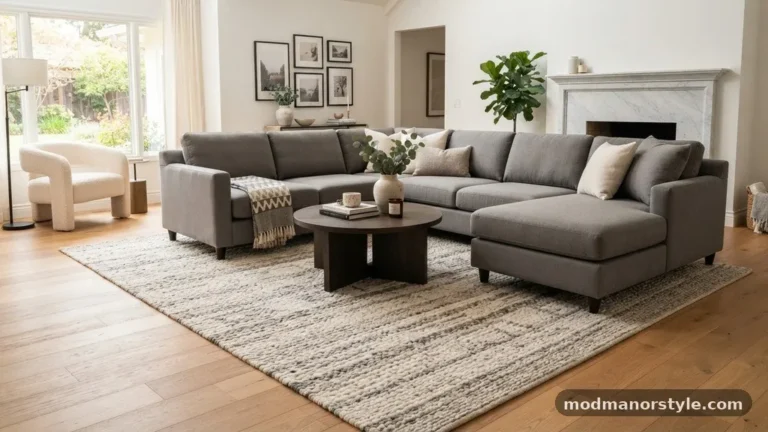
While this discussion focuses on the standard 3-seater sofa, many people have sectionals that incorporate an 84-inch span as part of a larger configuration. If your sofa has a chaise or an L-shaped extension, the rules for rug size change significantly. You must treat the entire footprint of the sectional as your primary dimension.
A standard 8×10 rug will rarely be enough for a sectional; you will likely need a 9×12 or even an 11×14 to cover the entire area. The goal remains the same—to anchor the furniture—but the scale requires a much larger rug.
When dealing with a sectional, pay close attention to the depth of the chaise. You want the rug to extend at least a few inches beyond the end of the longest piece of furniture. If the rug stops abruptly at the end of the chaise, it will look like the furniture is “falling off” the rug.
This creates a visual imbalance that can make the entire living room feel off-center. Always measure the total length and depth of the sectional before purchasing any floor covering to avoid a return.
Material Considerations for Living Room Rugs
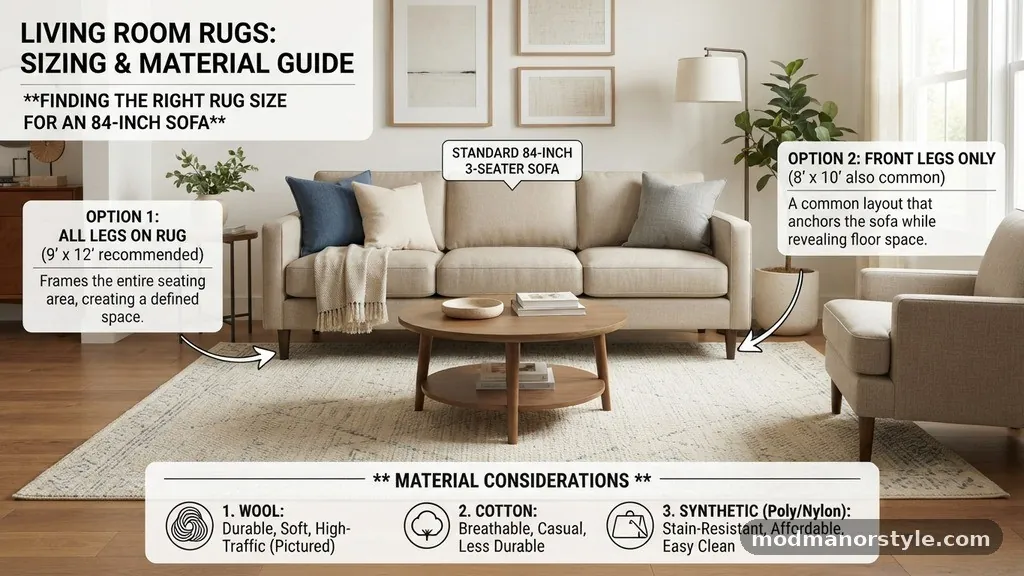
The material of your rug is just as important as the size, especially in a high-traffic area like a living room. Wool is the gold standard for durability and longevity, as it handles foot traffic exceptionally well and cleans easily. Synthetic fibers like nylon or polyester are more budget-friendly and offer great stain resistance, which is ideal for homes with children or pets.
If you choose a natural fiber like jute or sisal, be aware that they can be rough underfoot and difficult to clean. These textures look beautiful in coastal or rustic settings but might not be the most comfortable for lounging.
You should also consider the pile height of the rug. A low-pile rug is usually better under a sofa because it is easier to vacuum and won’t get crushed under the weight of the furniture legs. High-pile or shag rugs can look luxurious, but they often struggle to lay flat when placed under heavy furniture.
They can also make it difficult to move a coffee table back and forth. A medium-pile rug is often the best compromise, offering a balance of comfort and practicality.
Common Mistakes to Avoid
Many people make the mistake of buying a rug that is too small because they are afraid of overwhelming the floor space. This is a common error that actually makes the room look smaller and more chaotic. Another frequent mistake is failing to account for the clearance of doors or cabinets.
If your rug is too large, it might bunch up under a swinging door, creating a tripping hazard and making the room feel cluttered. Always check the swing of your doors before settling on a specific rug size.
Another mistake is ignoring the color and pattern of the rug in relation to the sofa. If your sofa is a bold color or has a busy pattern, a neutral rug with a subtle texture is usually the best choice. Conversely, if your sofa is a neutral color, the rug is a great opportunity to add personality to the room.
Don’t be afraid to use color, but ensure that the rug’s palette complements the overall tone of your home. The goal is to create a sense of harmony, not a clash of competing elements.
Frequently Asked Questions
Does the rug need to go all the way to the wall?
No, a rug should almost never touch the walls. You should leave at least 12 to 18 inches of exposed floor space between the edge of the rug and the baseboards. This creates a clean border that makes the room look intentional and well-designed.
What if I have hardwood floors?
Hardwood floors are beautiful, but they can be slippery. If you are placing a rug on hardwood, you absolutely must use a high-quality rug pad. A pad prevents the rug from sliding, protects the finish of your floors, and adds an extra layer of cushioning for comfort.
Can I layer rugs for a larger effect?
Yes, layering is a great way to add interest and cover a larger space if you have a smaller rug you love. You can place a large, neutral jute rug underneath a smaller, patterned wool rug. This adds depth and texture to the room while allowing you to use a rug that might otherwise be too small for the space.
How do I clean a rug under a heavy sofa?
Maintenance is easier if you choose a rug that is durable and stain-resistant. For regular cleaning, a vacuum with a beater bar is fine for most low-pile rugs, but be careful with delicate fibers. If you have a large rug under a heavy sofa, you can spot clean spills and use a professional service once every few years for a deep clean.
Should the rug be centered with the sofa?
The rug should generally be centered with the sofa to create a balanced look. However, if your room has an asymmetrical layout, you can shift the rug slightly to accommodate the flow of traffic. The most important thing is that the furniture feels anchored, not that the rug is perfectly centered in the middle of the room.
Summary of Rug Placement
Finding the right floor covering is about achieving a balance between the scale of your furniture and the dimensions of your room. When considering what size rug fits under a standard 84-inch 3-seater sofa, the 8×10 rug is your most reliable starting point for a professional look. By ensuring the front legs of your sofa are anchored to the rug, you create a cohesive and comfortable seating area that feels complete.
Remember to account for your coffee table, the overall room layout, and the material of the rug to ensure your choice is both beautiful and functional. Taking the time to measure your space correctly will pay off in a living room that feels perfectly pulled together and ready for daily use.