Can You Put an 8×10 Rug in an Open Concept Great Room?
Deciding whether you can put an 8×10 rug in an open concept great room often feels like a high-stakes puzzle of spatial geometry. Many homeowners worry that a standard rug size will look undersized or disconnected in a sprawling living space. Understanding the relationship between your furniture footprint and your floor covering is essential to creating a cohesive home environment.
Whether you are aiming for a cozy conversation pit or trying to anchor a specific seating area, knowing if an 8×10 rug fits your floor plan will save you significant time and effort. This article provides the clarity needed to make an informed design decision for your home.
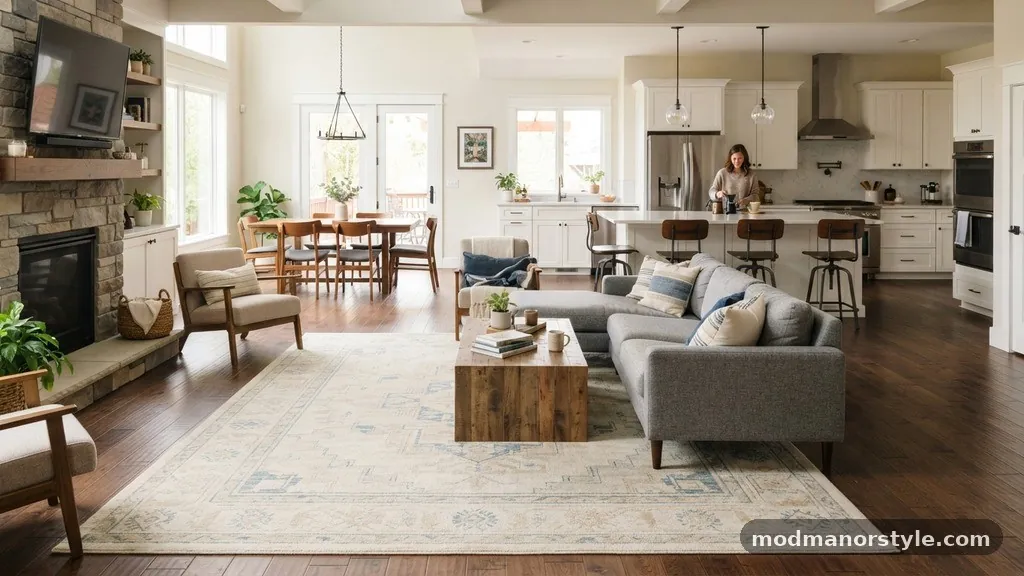
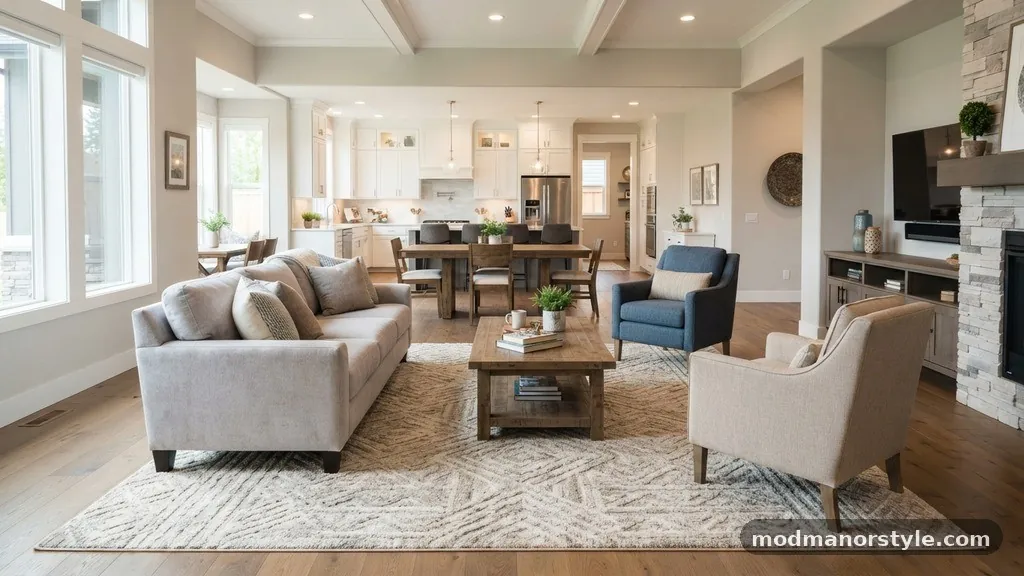
The short answer is yes, you can absolutely put an 8×10 rug in an open concept great room, provided it is used to anchor a specific zone rather than cover the entire area. An 8×10 rug is a versatile mid-sized option that works exceptionally well for defining a conversation area or a reading nook. It is rarely intended to serve as the sole rug for a massive, multi-functional room.
If your furniture arrangement is compact, this size will ground the space effectively without overwhelming the surrounding flooring. When placed correctly, it creates a visual boundary that helps distinguish your living area from the adjacent kitchen or dining zones.
Understanding the Role of Rugs in Open Floor Plans
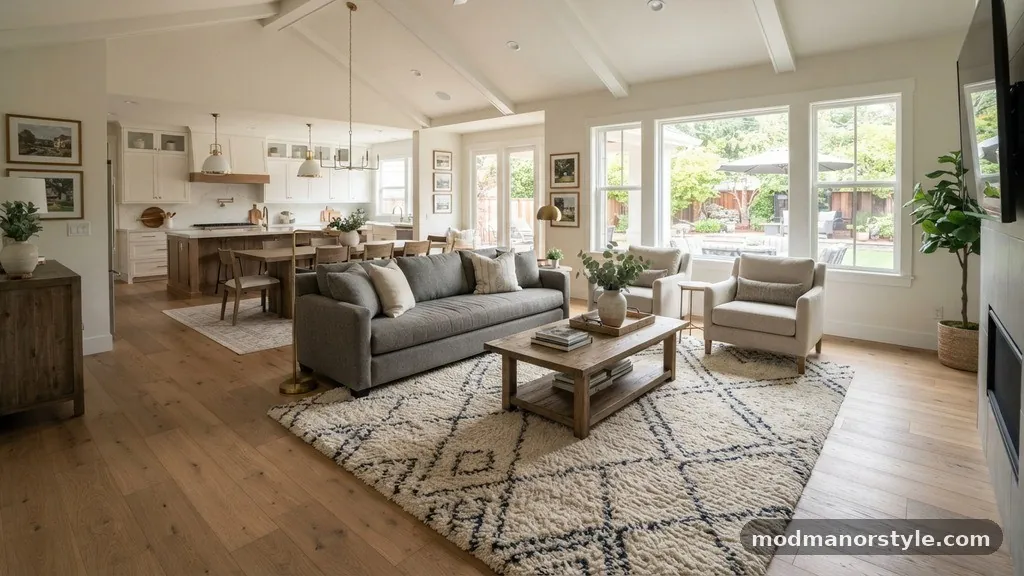
In an open floor plan, your primary goal is to create distinct visual zones without using physical walls. Rugs act as “area islands” that tell the eye where one function ends and another begins. If you attempt to use a single rug to define the entire great room, you will likely encounter scale issues.
Instead, use an 8×10 rug to define the central seating group, while leaving the rest of the floor exposed to maintain a sense of openness. This approach creates a sense of order in a space that might otherwise feel like a chaotic collection of furniture.
The flow between your living room, dining area, and kitchen depends on these subtle transitions. If your rug is too small, it will look like it is floating in the middle of the room, unanchored by any furniture. If you place only the front legs of your sofa and chairs on an 8×10 rug, you successfully bind the furniture together into a cohesive unit.
This technique makes the seating area feel intentional and cozy. It prevents the room from feeling like a series of disconnected pieces scattered across a vast expanse of wood or tile.
Evaluating the Scale of Your Furniture
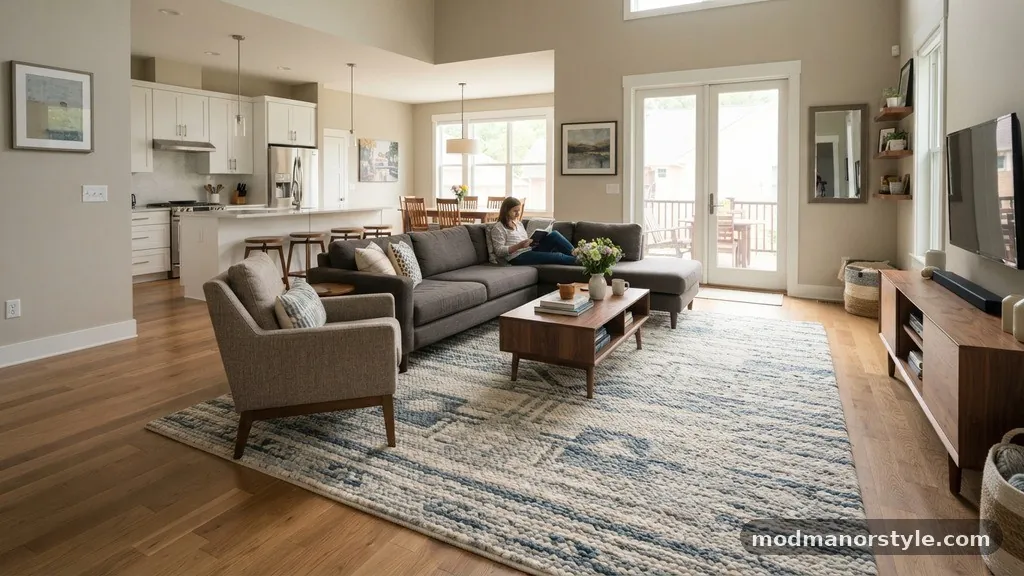
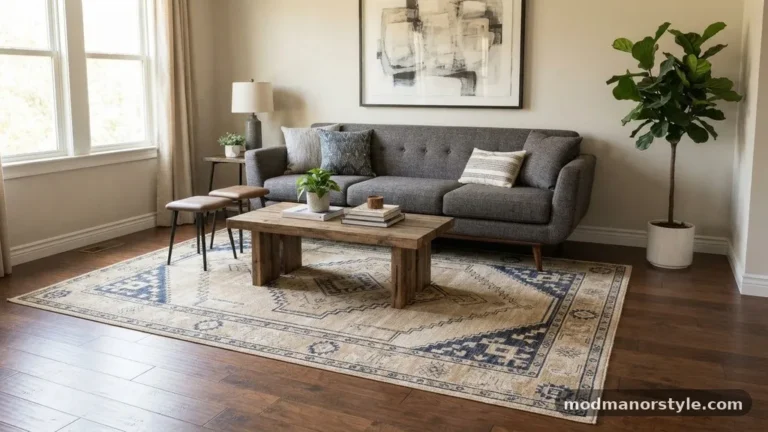
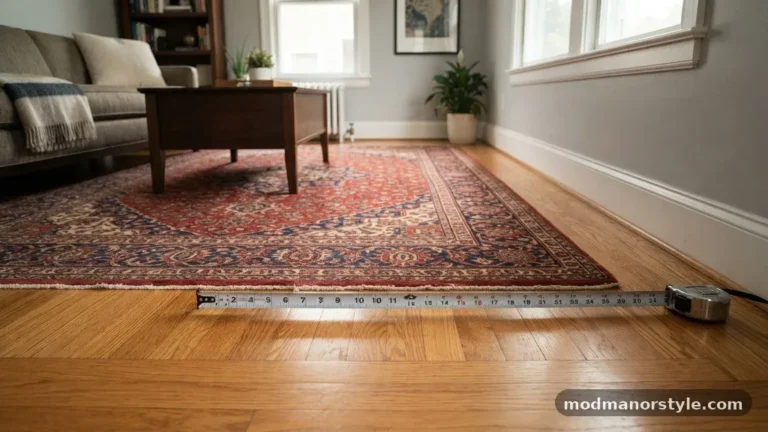
Before committing to an 8×10 rug, you must measure the footprint of your primary furniture pieces. A standard sofa is typically around 84 inches wide, which leaves roughly 12 inches of rug space on either side if centered on an 8×10 piece. This is a balanced ratio that keeps the rug from looking like a tiny postage stamp.
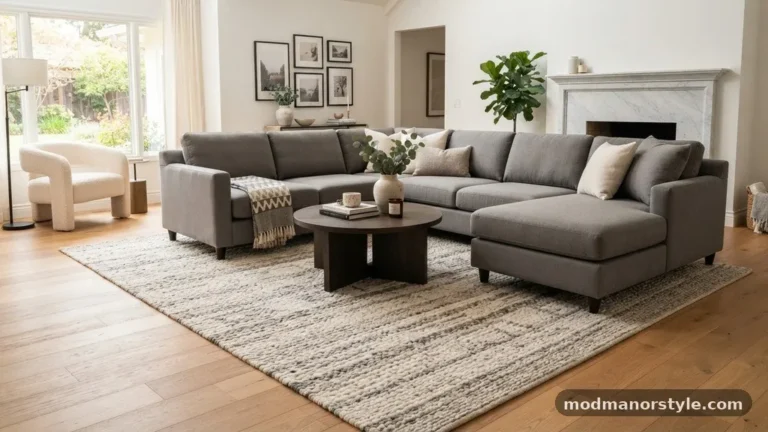
However, if you have a massive sectional, an 8×10 rug might be too small to accommodate the full width of the piece. In such cases, you might need to reconsider the placement or opt for a larger size to ensure the furniture feels properly grounded.
Consider the depth of your coffee table and the distance from the sofa to the television as well. If your rug covers the area under the coffee table and extends beneath the front legs of your seating, you have achieved the industry-standard “front-legs-on” look. This configuration is often the most cost-effective way to use an 8×10 rug without sacrificing style.
If your chairs are too far apart to fit on the rug, the grouping will feel disjointed. Always test your layout with painter’s tape on the floor to see how the dimensions translate in real life.
Managing Transitions Between Multiple Zones
When you have multiple zones in one room, the relationship between your rugs is just as important as the rugs themselves. You might have an 8×10 rug in the living area and a separate, perhaps round or smaller rug under your dining table. The key to making these work together is maintaining a consistent style or complementary color palette.
You do not want the two rugs to fight for attention with clashing patterns. Keep the textures similar or ensure the colors are pulled from a shared design scheme to unify the open space.
Think about the walking paths between your zones as well. You want to avoid placing rugs in a way that creates a tripping hazard or makes the transition from one zone to another feel awkward. If your 8×10 rug is positioned too close to the dining table, it might feel crowded.
Aim for at least 18 to 24 inches of bare floor between different rug areas. This “breathing room” is crucial for maintaining the breezy, open feel that characterizes a great room.
The Impact of Flooring and Material Choice
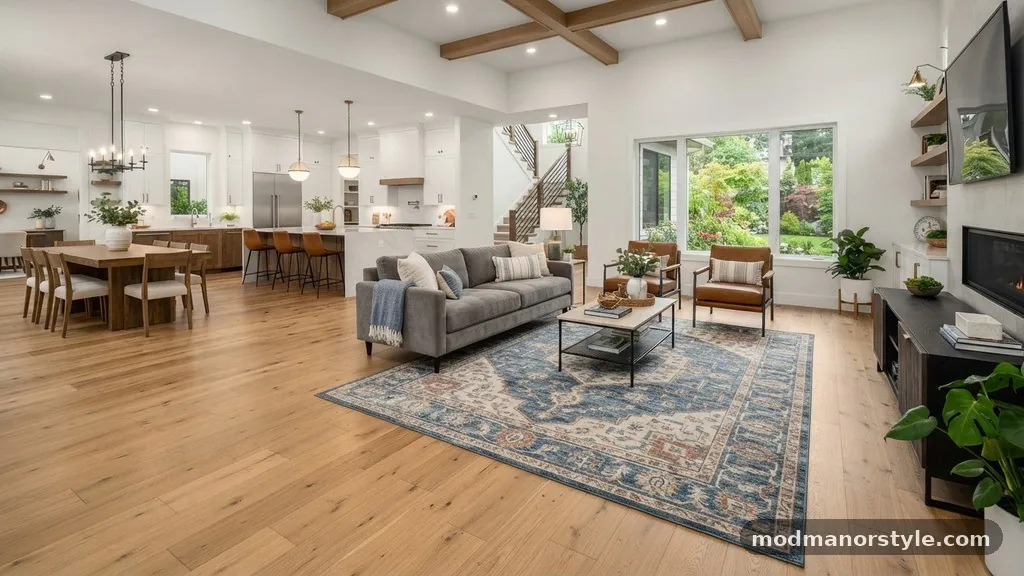
The type of flooring you have in your great room significantly influences how an 8×10 rug will sit and perform. On hardwood or tile, a rug provides necessary warmth and sound absorption, which is vital in large, open spaces. However, you must use a high-quality rug pad to prevent slipping and to protect the underlying floor finish.
A pad also adds a layer of plushness that makes the rug feel more substantial, regardless of its actual size. If you have wall-to-wall carpeting, layering a rug on top is a popular way to add color and pattern.
When layering, ensure the top rug is heavy enough to lay flat and not bunch up at the edges. A wool or dense synthetic rug is usually better for layering than a thin, flat-woven piece. Consider the texture of your floors when choosing the rug’s material.
If you have dark, polished floors, a light-colored rug will provide a striking contrast that draws the eye. If your flooring is light or neutral, you have more freedom to experiment with bold patterns or deep, moody tones.
Visual Weight and Color Coordination
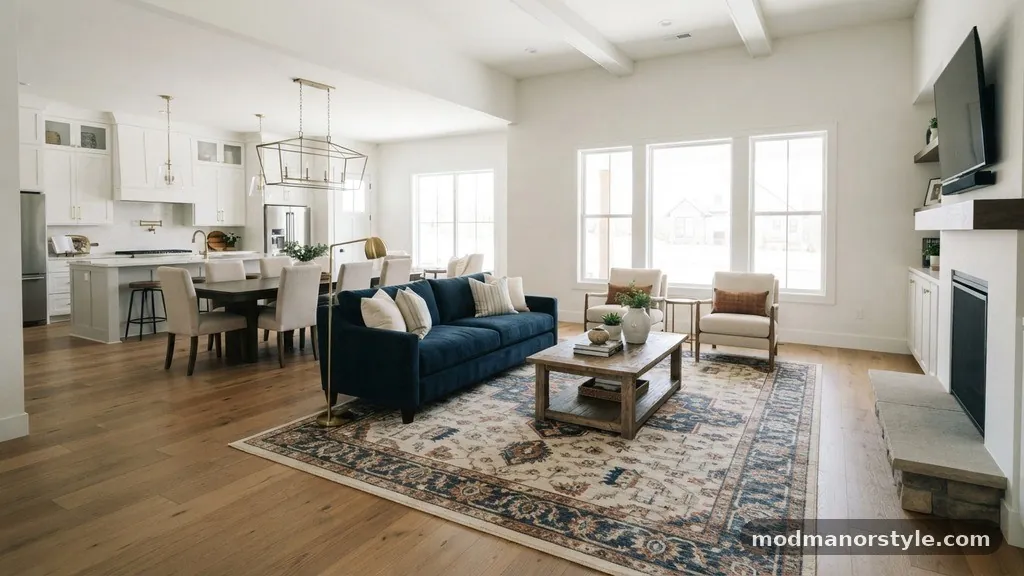
Color and pattern play a massive role in how large or small an 8×10 rug appears within a room. A light-colored rug with a simple, airy pattern will make a space feel larger and more open. Conversely, a dark, heavily patterned rug can make a seating area feel more intimate and grounded.
In an open concept great room, you should aim to balance these elements. If your walls and furniture are neutral, a vibrant rug can serve as the focal point of the entire floor plan.
If your furniture has busy patterns, choose a rug with a more subtle design to avoid visual clutter. The goal is to create a harmonious environment where the rug supports the furniture rather than competes with it.
You can learn more about choosing the right area rug size by consulting professional design guidelines that emphasize the importance of proportion. By keeping the rug’s visual weight in balance with the rest of the room, you ensure the space feels curated rather than crowded.
Comparison of Standard Rug Sizes
Choosing the right size is often a matter of comparing your available floor space against the standard dimensions offered by manufacturers. While an 8×10 rug is a classic choice, it is helpful to see how it stacks up against other common options for large areas. The following table provides a quick reference for typical placement strategies in a living room environment.
| Rug Size | Best Use Case | Furniture Fit |
|---|---|---|
| 5×7 | Small nooks or entryways | Only coffee table fits fully |
| 8×10 | Standard living zones | Front legs of sofa and chairs |
| 9×12 | Large open floor plans | All furniture legs on rug |
| 10×14 | Expansive great rooms | Full room coverage/luxury |
Common Mistakes to Avoid
Many people make the mistake of choosing an 8×10 rug based on the dimensions of the room rather than the dimensions of the furniture. If you center a small rug in a massive room, it will look lost and disconnected. Avoid the urge to buy a rug simply because it is a standard size that fits your budget.
If your living space is truly expansive, you might be better off saving for a larger piece or using two rugs to create distinct, overlapping zones. Another common error is failing to account for door swings and traffic patterns.
Ensure your rug placement does not obstruct walkways, especially near kitchen islands or patio doors. A rug that is partially under a door or in a high-traffic path will quickly show signs of wear and become a nuisance. Also, avoid choosing a rug that is too thin or flimsy for a high-traffic area.
In an open concept great room, the living area often sees the most activity, so durability is non-negotiable. Look for materials that can withstand regular vacuuming and foot traffic without fraying.
Using Rugs to Define Functional Zones
Beyond the living room, your open floor plan likely includes a dining space and perhaps a home office or play area. You can use rugs to create “rooms within a room” by placing a distinct rug under each functional grouping. This strategy helps to categorize the space and makes the large open plan feel more manageable.
When using multiple rugs, try to keep the style consistent across the board. You don’t need to match them perfectly, but they should share a common thread, such as a similar color palette or texture.
If you have a large dining table, a second rug underneath it will anchor the dining zone effectively. Ensure this rug is large enough so that when chairs are pulled out, they still sit entirely on the rug. This is a common point of frustration, so measure your dining space carefully.
By defining the living and dining areas with separate rugs, you create a sense of purpose for each section of the home. This makes the space feel more professional and well-designed.
Styling Tips for a Cohesive Look
Once you have placed your 8×10 rug, the way you style the surrounding area will dictate the final look. Use accent pillows and throws that pick up colors from the rug to tie the space together. If your rug has a bold pattern, keep your throw pillows solid-colored to prevent visual chaos.
If the rug is neutral, feel free to add texture and color through your accessories. These small details help integrate the rug into the existing decor, making it feel like a natural part of the room rather than an afterthought.
Lighting also plays a significant role in how your rug is perceived. A well-placed floor lamp near the seating area can highlight the texture of the rug and create a cozy atmosphere in the evening. Don’t be afraid to mix textures, such as a smooth leather sofa on a textured wool rug.
This contrast adds depth and interest to the room. The goal is to create a space that feels intentional, comfortable, and uniquely yours.
Frequently Asked Questions
Does an 8×10 rug make a room look smaller?
Not necessarily. In fact, a properly sized rug can make a room feel larger by defining the space and creating a clean, organized boundary. The key is ensuring the rug is in proportion to your furniture, not just the room itself.
What if my sectional is too big for an 8×10 rug?
If your sectional is very large, an 8×10 rug might look undersized. In this case, you should look for a 9×12 or larger rug to ensure all pieces feel anchored. You can also use a secondary, smaller rug in a different part of the room to balance the visual weight.
Can I put an 8×10 rug in a room with wall-to-wall carpet?
Yes, layering an area rug over wall-to-wall carpet is a great way to add color, pattern, and texture to a space. Use a rug pad designed for carpet-to-rug use to prevent the top rug from sliding or bunching up.
How do I stop my rug from sliding on hardwood floors?
Always use a high-quality, non-slip rug pad. A good pad does more than just keep the rug in place; it also provides cushioning, extends the life of your rug, and protects your hardwood flooring from scratches.
Should the rug be centered in the room or the seating area?
The rug should be centered in the seating area, not the room itself. Your furniture arrangement should dictate the placement of the rug to ensure the pieces are properly connected and the zone feels intentional.
Conclusion
Deciding on the placement of an 8×10 rug in an open concept great room comes down to how you define your space and arrange your furniture. While it may not cover every square inch of a massive floor plan, it is an ideal tool for anchoring a primary seating area. By focusing on the “front-legs-on” rule and ensuring your rug complements the surrounding decor, you can successfully integrate this classic size into your home.
Take the time to measure your furniture footprint and test your layout before making a final purchase. Whether you are aiming for a minimalist look or a cozy retreat, an 8×10 rug can be a stylish and functional addition to your open concept great room. We invite you to experiment with your layout and see how a simple adjustment can transform the feel of your entire home.